Apps for Tracking Flowering Seasons and Pollination
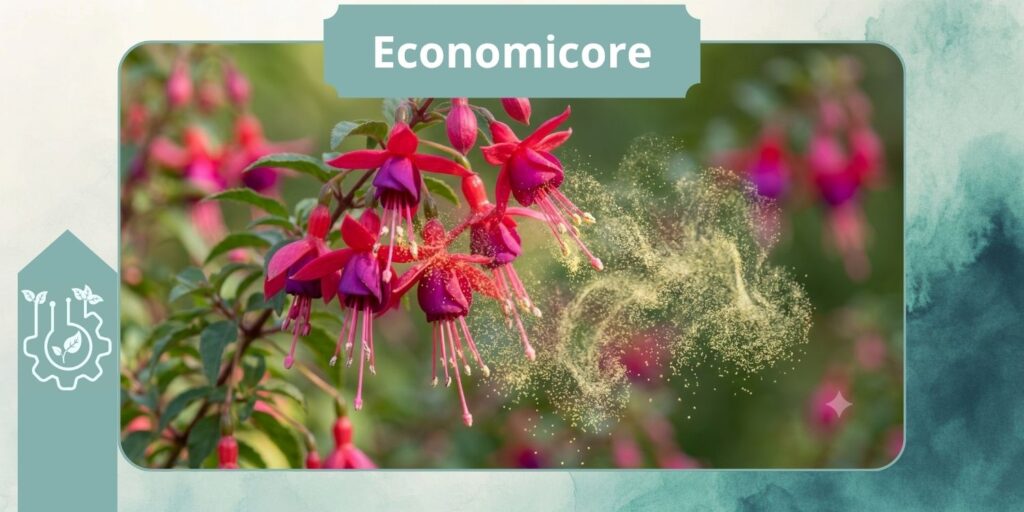
Why Flowering Predictions Matter
Flowering is one of the most important stages in a plant’s life cycle.
During this period, flowers become available for pollinators such as bees, butterflies, hummingbirds, moths, beetles, and even bats. Successful pollination allows plants to produce fruits, seeds, and future generations.
The exact timing of flowering depends on many environmental conditions.
Temperature, rainfall, sunlight, soil moisture, altitude, seasonal changes, and even local microclimates all influence when plants begin to bloom.
Traditionally, people relied on experience and observation to estimate flowering seasons.
Today, apps collect huge amounts of environmental data to generate much more accurate predictions for specific locations.
This information is useful not only for agriculture but also for biodiversity conservation, ecological research, and recreational outdoor activities.
How Pollination Forecast Apps Work
Most flowering prediction apps combine multiple sources of information.
Weather forecasts are one of the main components.
Temperature accumulation over time often determines when certain species begin producing flowers.
Many applications also use historical climate records.
By comparing current weather patterns with previous years, they estimate whether blooming will occur earlier or later than normal.
Some platforms incorporate satellite imagery.
These images reveal changes in vegetation color, leaf development, and seasonal growth across large regions.
Artificial intelligence also plays an important role.
Machine learning algorithms analyze millions of observations to identify patterns that humans might overlook.
Some applications even include reports submitted by users.
When thousands of people upload flowering observations, the system becomes smarter and continuously improves future predictions.
Environmental Factors That Influence Flowering
Plants respond to much more than the calendar.
Several natural variables affect the beginning of flowering.
Some of the most important include:
| Environmental Factor | Influence on Flowering |
|---|---|
| Temperature | Warmer conditions often accelerate blooming. |
| Rainfall | Adequate moisture encourages flower development. |
| Sunlight | Longer daylight periods trigger flowering in many species. |
| Soil Moisture | Healthy roots support flower production. |
| Altitude | Higher elevations usually bloom later. |
| Seasonal Climate | Cold winters or warm springs can shift flowering dates. |
Apps monitor many of these conditions simultaneously.
Instead of relying on one measurement, they evaluate multiple environmental indicators before generating predictions.
This greatly increases forecast reliability.
Benefits for Home Gardeners
Garden enthusiasts are among the biggest beneficiaries of these applications.
Knowing when flowers are expected to bloom helps people plan planting schedules more effectively.
Gardeners can also coordinate flowering periods to create colorful landscapes throughout the year.
Instead of having every flower bloom at once, they can design gardens with continuous seasonal color.
Pollination forecasts also encourage better care for beneficial insects.
If users know when bees will become more active, they can avoid unnecessary pesticide use during those periods.
These apps also remind users when watering, fertilizing, or pruning should be adjusted according to plant growth stages.
As a result, healthier gardens require fewer resources while supporting local biodiversity.
Helping Farmers Improve Crop Production
Many agricultural crops depend heavily on pollination.
Fruit trees, berries, almonds, coffee plants, pumpkins, melons, and many vegetables require healthy pollinator activity.
Flowering prediction apps allow farmers to prepare in advance.
They can schedule irrigation, organize field operations, and coordinate beekeeping activities during peak flowering.
Some commercial farms even relocate beehives based on flowering forecasts.
This improves pollination efficiency and increases crop yields.
Climate monitoring also helps farmers identify unusual flowering patterns that may indicate environmental stress.
Early detection allows corrective measures before production declines.
Supporting Wildlife Conservation
Flowering predictions are valuable beyond agriculture.
Many wild animals depend on flowers for survival.
Bees collect nectar.
Butterflies feed on flowering plants.
Birds rely on nectar-rich blossoms during migration.
Some mammals also benefit from seasonal flowering events.
Conservation organizations use environmental monitoring tools to understand whether these natural cycles remain synchronized.
If flowers bloom much earlier than pollinators become active, ecosystems may become unbalanced.
Apps help scientists identify these mismatches more quickly.
The collected information contributes to long-term biodiversity monitoring programs.
Citizen Science and Community Contributions
One remarkable feature of modern environmental apps is citizen participation.
Thousands of volunteers upload photographs of flowers every day.
Each observation includes valuable information.
Location.
Date.
Plant species.
Flower development stage.
When combined, these reports create massive ecological databases.
Scientists use this information to monitor seasonal changes across entire countries.
Ordinary smartphone users become active contributors to environmental research.
This collaboration has dramatically expanded scientific knowledge while increasing public awareness about nature.
Many apps continue improving these features using artificial intelligence and community-generated data.
The result is increasingly personalized forecasts.
Climate Change Is Altering Natural Calendars
Scientists have observed that flowering seasons are changing in many regions.
Some plants now bloom weeks earlier than they did decades ago.
Others experience delayed flowering due to unusual weather patterns.
Warmer winters.
Unexpected frosts.
Extended droughts.
Heavy rainfall.
All of these events influence plant development.
Flowering prediction apps help researchers detect these changes faster.
Large datasets collected over several years reveal trends that would otherwise remain unnoticed.
Understanding these changes supports better conservation planning.
Photography and Nature Tourism
Flower enthusiasts are not the only people interested in bloom predictions.
Landscape photographers often travel long distances to capture famous flowering events.
Cherry blossoms.
Wildflower fields.
Lavender farms.
Mountain meadows.
Accurate forecasts help photographers schedule trips during peak bloom instead of arriving too early or too late.
Nature tourism also benefits.
Visitors can enjoy more spectacular scenery while reducing unnecessary travel.
Some parks now share flowering forecasts to improve visitor experiences throughout the season.
Educational Opportunities
Flowering prediction apps have become valuable educational tools.
Teachers use them during outdoor science activities.
Students compare predictions with real observations.
This encourages critical thinking and scientific curiosity.
Children learn that plants respond to environmental conditions rather than fixed calendar dates.
Many apps also explain pollination in simple language.
Interactive maps, images, and seasonal graphs make learning more engaging.
Technology transforms abstract ecological concepts into real-world experiences.
The Future of Pollination Forecast Technology
Environmental technology continues advancing rapidly.
Future applications may include real-time ecosystem monitoring using connected sensors.
Artificial intelligence will likely recognize flowering stages directly from live camera feeds.
Satellite systems will provide even more detailed vegetation analysis.
Wearable devices could notify hikers when nearby wildflowers reach peak bloom.
Augmented reality may identify flowering plants instantly while displaying ecological information on the screen.
Some experts are also developing predictive models capable of estimating flowering several months in advance.
These innovations could improve agriculture, conservation, tourism, and scientific research simultaneously.
How to Choose a Reliable Flowering Prediction App
Not every application offers the same level of accuracy.
Users should consider several factors before choosing one.
Look for apps that regularly update weather information.
Applications with large user communities usually provide richer observation data.
Support for local plant species is also important.
Some apps specialize in regional ecosystems, making predictions more accurate for specific climates.
A clear interface, interactive maps, customizable alerts, and offline access can also improve the overall experience.
Reading recent user reviews may help identify applications that consistently deliver reliable forecasts.
How Flowering Predictions Help Beekeepers
Beekeepers rely heavily on flowering calendars because healthy bee colonies need a steady supply of nectar and pollen throughout the season.
When an app predicts that a major bloom is approaching, beekeepers can prepare their hives in advance. This allows colonies to reach their strongest population when food becomes abundant.
Accurate flowering forecasts also help determine where hives should be placed. Moving colonies closer to blooming areas can improve honey production while reducing the distance bees must travel.
Some experienced beekeepers combine several forecasting apps with local weather data. This provides a more complete picture of upcoming nectar flows and helps reduce unexpected shortages.
The Role of Artificial Intelligence in Flower Recognition
Artificial intelligence has transformed the way plants are identified and monitored.
Modern image recognition systems can analyze thousands of visual characteristics within seconds. Shape, color, petal arrangement, leaf patterns, and flower size all contribute to accurate identification.
As users upload more photos, AI models continue learning from new examples.
This continuous improvement allows apps to recognize species that were previously difficult to identify, including native wildflowers that receive little attention in traditional field guides.
Future AI systems may even estimate the health of a flower simply by analyzing a smartphone photo.
Popular Features Found in Flowering Apps
Different applications offer different tools.
However, many include similar features designed to simplify environmental monitoring.
| Feature | Purpose |
|---|---|
| Flowering Calendar | Estimates blooming periods throughout the year. |
| Pollination Forecast | Predicts pollinator activity. |
| Weather Integration | Connects flowering with local weather conditions. |
| Plant Identification | Recognizes flowers using the camera. |
| Observation Maps | Displays recent flowering reports nearby. |
| Bloom Notifications | Alerts users when flowering is expected. |
Using Satellite Data to Monitor Seasonal Changes
Many flowering prediction platforms now integrate satellite observations.
Satellites capture regular images of forests, grasslands, farms, wetlands, and urban parks.
By comparing these images over time, scientists can observe subtle changes in vegetation.
When leaves begin developing or landscapes become greener, algorithms detect these changes and estimate the progress of plant growth.
This information complements weather forecasts by providing a broader view of regional ecosystems.
Instead of relying solely on ground observations, prediction models benefit from continuous monitoring across thousands of square kilometers.
Why Local Climate Makes Every Region Different
Flowering schedules vary considerably from one location to another.
Even cities separated by only a few kilometers may experience different blooming dates.
Elevation, proximity to rivers, urban heat islands, and coastal winds all influence local temperatures.
A flower that blooms during early March in one area may not bloom until several weeks later elsewhere.
For this reason, the most reliable apps use precise GPS locations instead of general regional forecasts.
Personalized predictions are far more useful than nationwide calendars because they reflect local environmental conditions.
Pollination Beyond Bees
Although bees receive most of the attention, many other animals participate in pollination.
Butterflies transfer pollen while feeding on nectar.
Certain beetles pollinate ancient flowering plants.
Moths perform important pollination work during the night.
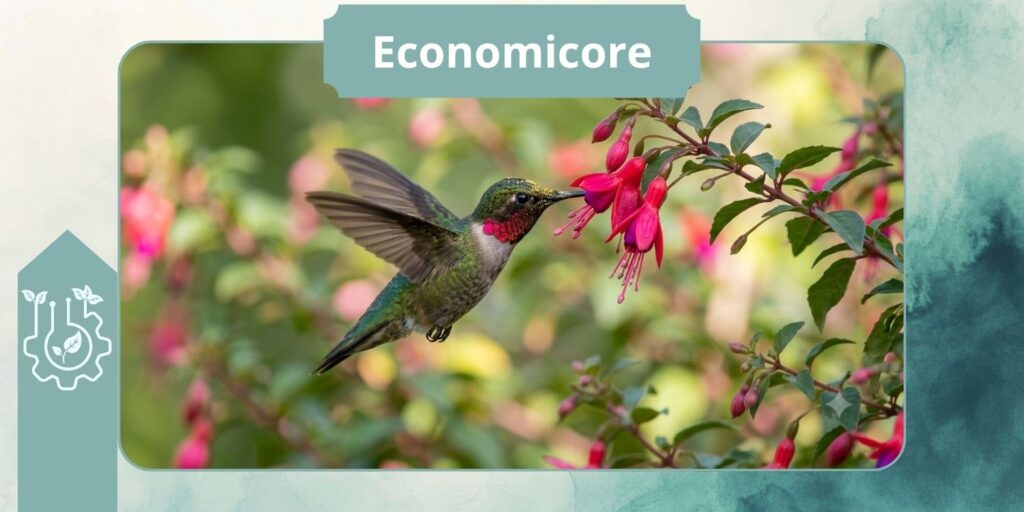
Birds such as hummingbirds carry pollen between colorful blossoms.
In tropical regions, several bat species pollinate flowers that open after sunset.
Some advanced environmental databases include information about these different pollinators, helping users better understand the diversity of natural ecosystems.
Urban Green Spaces Benefit from Forecasting Tools
Cities are becoming increasingly interested in flowering prediction technology.
Urban planners use seasonal data when selecting trees and ornamental plants for streets and public parks.
Choosing species with staggered flowering periods creates attractive landscapes for longer portions of the year.
Continuous flowering also supports urban pollinators by providing food across multiple seasons.
Some municipalities even coordinate maintenance schedules around flowering periods to avoid disturbing pollinating insects.
These practices contribute to healthier urban biodiversity.
How Schools Can Use These Apps in Outdoor Education
Environmental education becomes much more engaging when students can interact with real ecosystems.
Teachers can organize nature walks where students compare app predictions with actual flowering observations.
Children learn how weather, sunlight, and rainfall affect plant development.
They also discover that scientific knowledge grows through careful observation rather than assumptions.
Classroom projects may include recording local flowering dates over several years.
Comparing these records helps students understand seasonal variation and climate trends while developing analytical skills.
The Importance of Native Plants
Many flowering apps include databases of native species.
These plants play a vital role in supporting local ecosystems because they evolved alongside regional pollinators.
Native flowers often provide nectar and pollen that local insects depend upon.
They may also require less irrigation and fewer chemical treatments than ornamental exotic plants.
Apps that highlight native species encourage users to create gardens that strengthen biodiversity rather than reduce it.
Small changes in home landscaping can collectively produce significant environmental benefits.
Combining Weather Forecasts with Flowering Predictions
Weather conditions can rapidly change flowering schedules.
An unusually warm week may accelerate bud development.
A late frost can delay flowering or damage blossoms completely.
Heavy rainfall sometimes extends blooming periods, while drought may shorten them.
Prediction apps continuously update their models as new weather forecasts become available.
This dynamic approach produces more accurate estimates than static calendars created months in advance.
Users therefore receive information that reflects current environmental conditions instead of historical averages alone.
Seasonal Allergy Management
Flowering prediction tools can also improve personal health.
Many allergy sufferers monitor pollen forecasts before planning outdoor activities.
Although flowering does not always correspond directly with airborne pollen levels, the two are often closely related.
Knowing when certain plants begin blooming allows people to prepare for allergy seasons.
Some apps send notifications when pollen-producing species become active nearby.
Users can then adjust outdoor exercise schedules, carry appropriate medication, or simply choose lower-risk times for outdoor recreation.
Digital Mapping of Flowering Events
Interactive maps have become one of the most valuable features offered by modern nature apps.
Instead of reading simple text forecasts, users can visualize blooming activity across entire regions.
Colored markers indicate where flowers have recently been observed.
Filters allow searches by species, flowering stage, observation date, or location.
These maps continuously evolve as volunteers contribute new observations.
The result is a living record of seasonal change that updates almost every day during peak flowering seasons.
Challenges Facing Prediction Technology
Despite significant progress, flowering prediction remains a complex scientific challenge.
Nature is influenced by countless variables that cannot always be measured perfectly.
Unexpected storms, heatwaves, pest outbreaks, or disease can alter flowering schedules within days.
Some plant species also respond differently depending on local genetics.
Developers therefore continue refining their algorithms using larger datasets and more sophisticated machine learning techniques.
As environmental monitoring expands, forecast accuracy is expected to improve steadily.
Simple Tips for Getting Better Predictions
Users can improve forecast accuracy by following a few practical habits.
Enable precise location services so the app can access local environmental conditions.
Update the application regularly to receive the latest forecasting models.
Submit flowering observations whenever possible.
Photograph healthy flowers from multiple angles to improve identification accuracy.
Finally, compare predictions with your own observations.
This combination of technology and personal experience often provides the most reliable understanding of local seasonal patterns.
Credits: Jankum
See more here! Also check out our categories!

